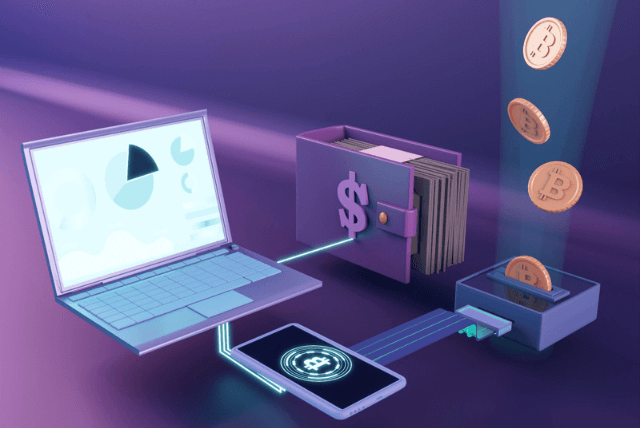
If you’ve ever felt like the world of cryptocurrencies is a foreign language, you’re not alone. In fact, as someone who only started learning about this space a few years ago, I know how confusing it can be. However, the good news is, it’s not as complicated as it seems. So, in this article, I’ll break down the basics of cryptocurrencies, blockchain, wallets, and exchanges in plain English. Let’s make sense of it all, one step at a time.
What Are Cryptocurrencies?
Let’s start with the term “cryptocurrency.” A cryptocurrency is a digital form of money. Unlike the cash in your wallet or the balance in your bank account, cryptocurrencies are entirely online. They don’t rely on banks or governments; instead, they use a technology called blockchain (more on that in a moment).
The most famous cryptocurrency is Bitcoin, created in 2009, but there are thousands of others, like Ethereum, Litecoin, and Ripple. Each cryptocurrency serves a different purpose—some are used for payments, while others power specific projects or technologies.
Example: Imagine Bitcoin as digital gold. You can own it, trade it, or use it as a store of value, just like you would with physical gold.
Answers to your Cryptocurrencies Questions:
Cryptocurrencies derive value from supply and demand, utility, and trust in the underlying technology.
It depends on the country. In most places, they’re legal but regulated differently.
What Is Blockchain?
Blockchain is the technology behind cryptocurrencies. It’s a digital ledger—like a giant spreadsheet—that records transactions. But here’s the twist: this ledger isn’t stored in one place. Instead, it’s spread across thousands of computers around the world, making it incredibly secure and transparent.
Each time someone buys or sells cryptocurrency, the transaction is added to a “block” of data. Once the block is full, it’s linked to the previous block, creating a chain. That’s why it’s called blockchain.
Why It Matters: Blockchain ensures that cryptocurrency transactions are safe and can’t be tampered with. It’s what makes cryptocurrencies trustworthy without needing a central authority, like a bank.
Real-Life Example: Let’s say you send Bitcoin to a friend. Blockchain verifies that you have enough Bitcoin to send and updates the ledger so everyone knows the transaction happened.
Why Is This Good? Blockchain provides transparency and reduces the risk of fraud. It’s revolutionizing industries like finance, healthcare, and logistics by ensuring accurate and tamper-proof data.
Answers to your Blockchain Questions:
Yes! Blockchain technology is used in supply chains, voting systems, and more.
While highly secure, it’s not immune to attacks if poorly implemented.
What Are Wallets?
If cryptocurrencies are digital money, then wallets are where you store them. A cryptocurrency wallet doesn’t actually hold your coins—it holds the keys you need to access and manage them.
There are two main types of wallets:
- Hot Wallets: These are connected to the internet and are easy to use for trading or transactions. Examples include mobile apps and online platforms.
- Cold Wallets: These are offline and more secure. They’re often used for long-term storage. Examples include USB-like devices or even paper wallets.
Which One Should You Use? If you’re just starting, a hot wallet might be more convenient. But if you plan to hold onto your crypto for a while, consider a cold wallet for extra security.
Hot vs. Cold Wallets: Pros and Cons
| Wallet Type | Examples | Pros | Cons |
|---|---|---|---|
| Hot Wallet | Mobile apps (e.g., Trust Wallet), Online wallets (e.g., Coinbase Wallet) | Easy access, user-friendly | Higher risk of hacking |
| Cold Wallet | Hardware wallets (e.g., Ledger Nano), Paper wallets | Highly secure, ideal for long-term storage | Less convenient, costs money |
Answers to your Wallet Questions:
If you lose access to your wallet’s private keys, yes, your crypto could be lost forever.
Many hot wallets are free, but some cold wallets, like hardware devices, cost money.
What Are Exchanges?
Cryptocurrency exchanges are platforms where you can buy, sell, or trade cryptocurrencies. They’re like the stock market but for digital currencies.
There are two main types of exchanges:
- Centralized Exchanges (CEXs): These are run by companies and act as middlemen for your trades. Examples include Binance and Coinbase. They’re user-friendly but require you to trust the platform.
- Decentralized Exchanges (DEXs): These operate without a central authority. You trade directly with other users. Examples include Uniswap and PancakeSwap. They’re more private but can be harder to navigate for beginners.
How to Choose an Exchange: Look for one that’s reputable, easy to use, and offers the cryptocurrencies you’re interested in. Be sure to check their fees and security features.
Example: Think of a centralized exchange like a bank where you buy foreign currency. A decentralized exchange is more like a peer-to-peer app where you trade directly with others.
Answers to your Exchange Questions:
Yes, exchanges are the primary way to buy, sell, or trade cryptocurrencies.
They vary—choose one with strong security features and good reviews.
Why Understanding These Four Is Key
Cryptocurrencies, blockchain, wallets, and exchanges are interconnected. Blockchain powers cryptocurrencies, wallets store your digital assets, and exchanges let you trade them. Understanding how these elements work together gives you a solid foundation to navigate the crypto world confidently.
For instance, knowing how wallets and exchanges interact helps you protect your investments, while understanding blockchain gives you insight into why cryptocurrencies are secure and valuable.
Bottom Line: Take It One Step at a Time
Getting started with cryptocurrencies doesn’t have to be overwhelming. Here’s our cryptoxgen quick recap:
- Cryptocurrencies are digital money that operate without banks.
- Blockchain is the technology that ensures crypto transactions are secure.
- Wallets are tools to store your crypto, either online (hot) or offline (cold).
- Exchanges are platforms where you can buy, sell, and trade crypto.
If you’re new to this space, start small. Research a few cryptocurrencies, choose a reputable wallet and exchange, and consider making a modest investment. The world of crypto may seem complex at first, but with patience and a willingness to learn, it can open up exciting new opportunities.
Remember: It’s never too late to try something new. As someone in my 40s who once felt completely lost in this world, I can tell you firsthand: if I can figure it out, so can you!